Civility and Kindness - Where Have They Gone and How Do We Get Them Back? Post No. 12

In 2005 a British author named Lynn Truss wrote a book titled "Talk To The Hand: The Utter Bloody Rudeness of the World Today." Though arguably somewhat whiney and thin (an essay stretched to book length) and tending towards the obvious, the book made the point that it was increasingly common to rudely dismiss arguments or comments we didn't want to hear or agree with a facile saying ("Talk to the Hand"), or with the corresponding gesture.
It is not an exaggeration to say that rudeness has become more common in recent years. Perhaps the era began when a certain failed real estate mogul descended a escalator in New York to announce his intention to turn an elected office into a score-settling profit centre. When it became acceptable, even admirable, to mock the disabled or those with different names or whose personal history was not that of a white European immigrant. Rudeness existed before him, but it is definitely having a moment now.
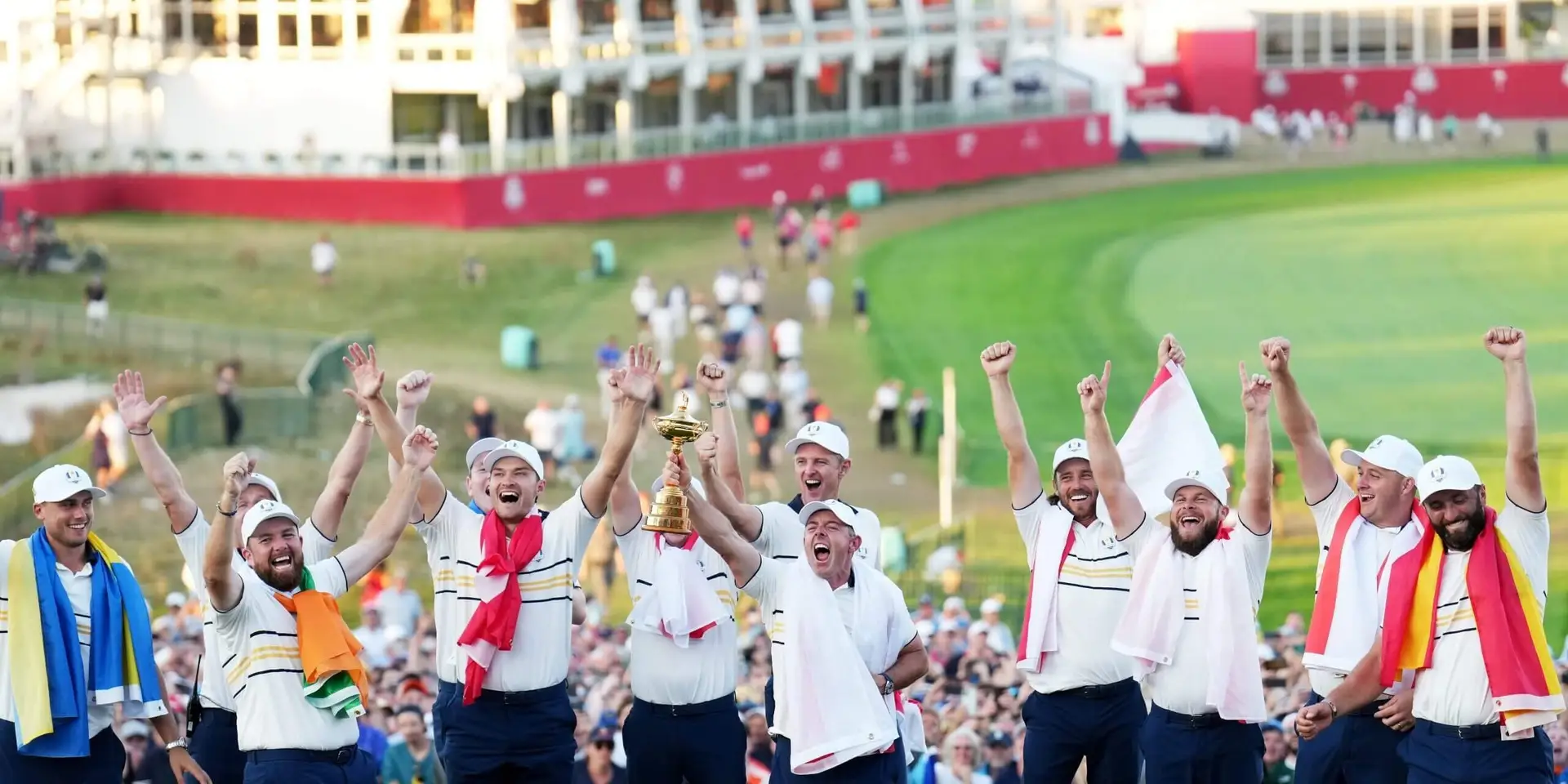
A recent sporting event about which very few people care jolted me to keyboard. The 2025 Ryder Cup, a biennial competition dating back to 1927 between 12 US golfers and 12 European golfers was held in Long Island, New York this past weekend. The President of the United States showed up on the first day, in person, having taken a day off from his tireless work to save Israeli hostages and Gazan civilians, not to mention Ukrainian civilians, and beleaguered billionaires everywhere, to whip the crowd into a patriotic frenzy. The organizers did their bit by hiring an emcee, who resigned her position after starting a "F*** you Rory" chant on the first tee on the first day. Nice start.
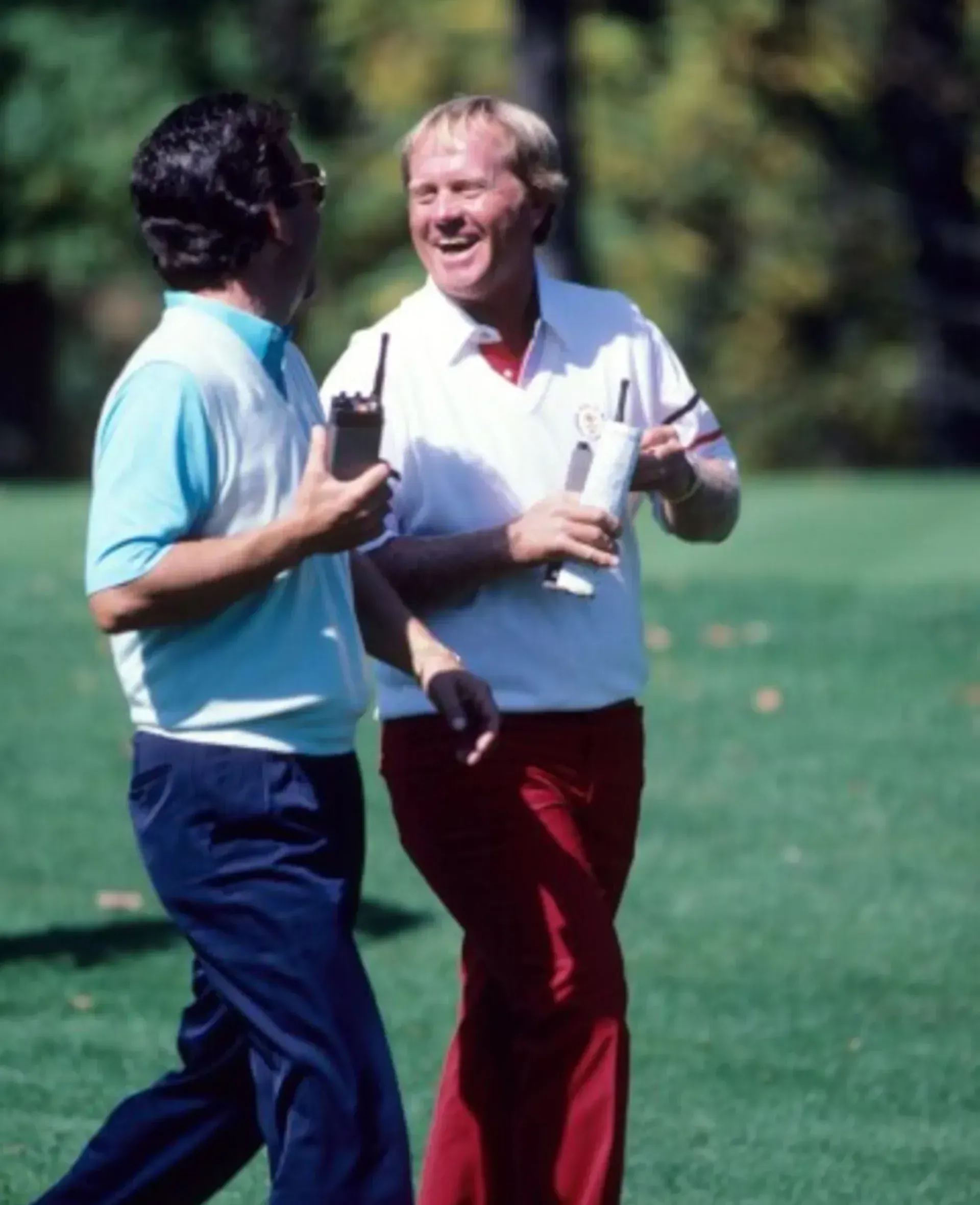
It must be said that the majority of the crowd were respectful, passionate golf fans who enjoyed a riveting display of skilled competition. But among those gathered were a critical minority of fans who believed that their tickets entitled them to interrupt play and try to disrupt the athletes by hurling what have been universally agreed to be vicious personal insults and obscenities, frequently while the targeted player was trying to play a shot. Golf helpfully provides brief moments of silence that are clearly designed for just that sort of intervention. The US captain excused the fans by acknowledging it was partly the fault of the US team: "You know, we're not playing up to the standards that they want to see, and they're angry, and they should be." Nope, not buying it - hurl your insults at the American team then. But that's not what happened.
Lynn Truss identified 20 situations where special politeness is called for. Some of them are obvious (when they are doing you a favour, when they have expertise you don't have, when they are less fortunate than you) and some of them require more effort: when they have a menial job, when they've been good to you all your life, or helped you financially. There is no corresponding list of circumstances where rudeness is called for or authorized.
This rudeness uptick is by no means an American phenomenon, although the pervasiveness of US culture through social and legacy media means that we are more aware of the US version of rudeness. US media has reported, for example, that Americans travelling abroad are aware of their rather tarnished national reputation, and have in increasing numbers taken to decorating themselves and their belongings with Canadian flags. This is common enough to have been given a name: "Flagjacking." It seems to me to be missing the point: if you are too embarrassed by your national reputation to be identified as American while travelling, you should do something about it - either by helping to change the culture at home, or by being especially polite while abroad. Or both. Neither of those options seems to be appealing.
My proposal, made only to a handful of people able to find and read these words, is to fight rudeness with two tools: kindness and courtesy. It's not that I don't think that elbows must occasionally be up, but as a general rule I'd rather live in a world where courtesy is more common than discourtesy.
It was driven pointedly home to me recently that very small acts of kindness or courtesy can have long-lasting and unexpectedly positive consequences. One of the lawyers I worked with was meeting with a client who made a point of telling that lawyer about something that had happened in a courtroom 20 or 25 years before (when I could occasionally be found in a courtroom). I was asking questions of a police officer on the witness stand and I apparently - I have no recollection of this - asked the witness to slow down or pause so that the court reporter could record his testimony. It was a small gesture of courtesy that was evidently so unusual and unexpected that the court reporter, now our client, still remembered it many years later.
When I was making the rounds in our office last year prior to my final departure, I happened to stop by the workstation of a staff member who had fairly recently begun working in a new area, one she was not experienced in. She is a very capable and bright young person who lacked confidence only because of inexperience, not inability. There, tacked to the wall of her work space, was a brief note I had sent to her after she had completed a fairly complex task very well. Something that had taken me minutes to write was there on the wall, providing encouragement and positivity for the long haul, should it be needed.
I describe these two instances not because they illustrate my general character (my golfing friends would agree that generous encouragement is not my most obvious or endearing quality), but because we can never know when something we've said or done will make an impact on someone that we did not predict or expect. Acts of kindness and courtesy, even if they are unacknowledged or unknown, are the weapons I choose in the battle against rudeness and incivility.