Retirement 2.0 - Post No. 5
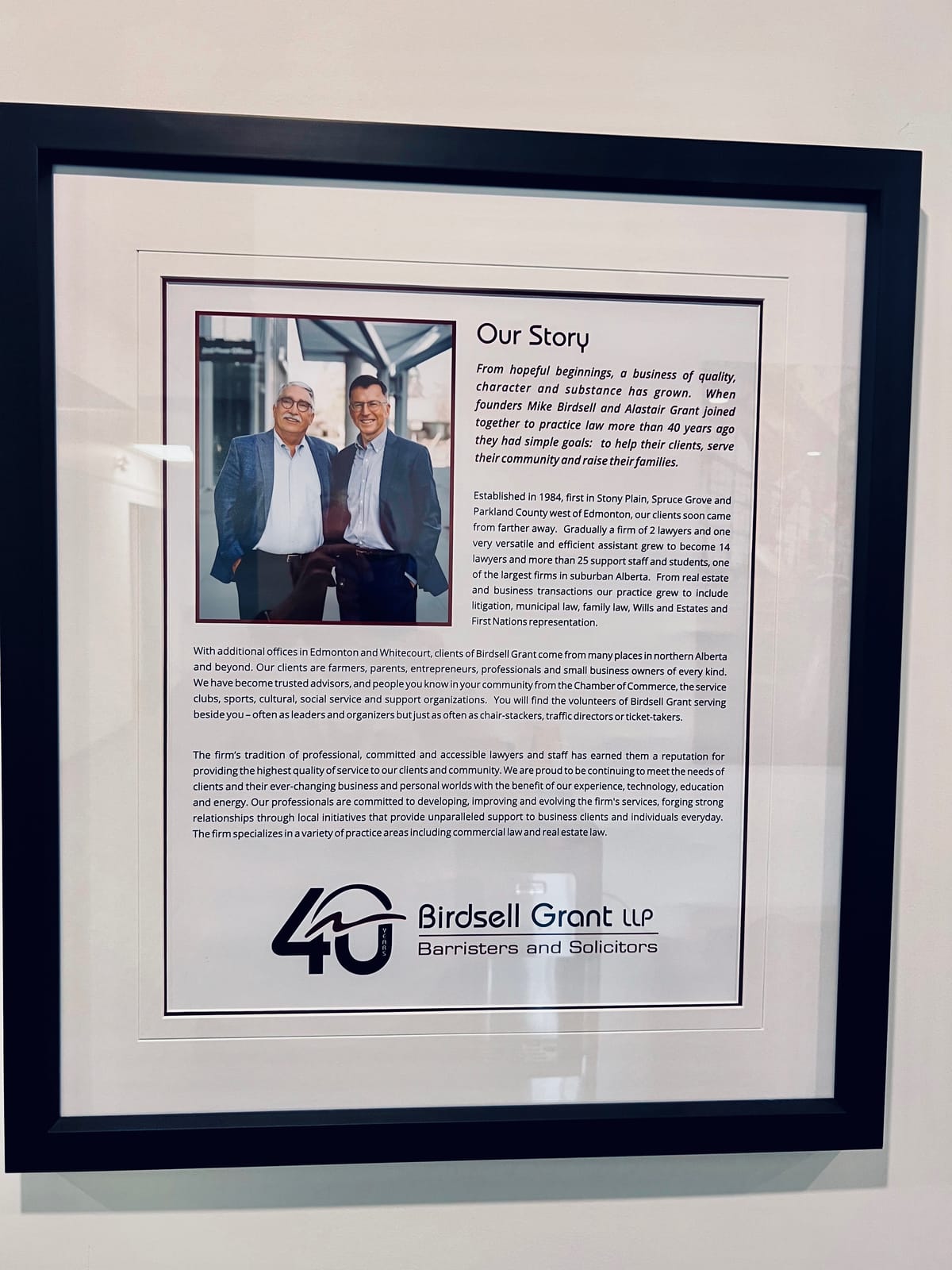
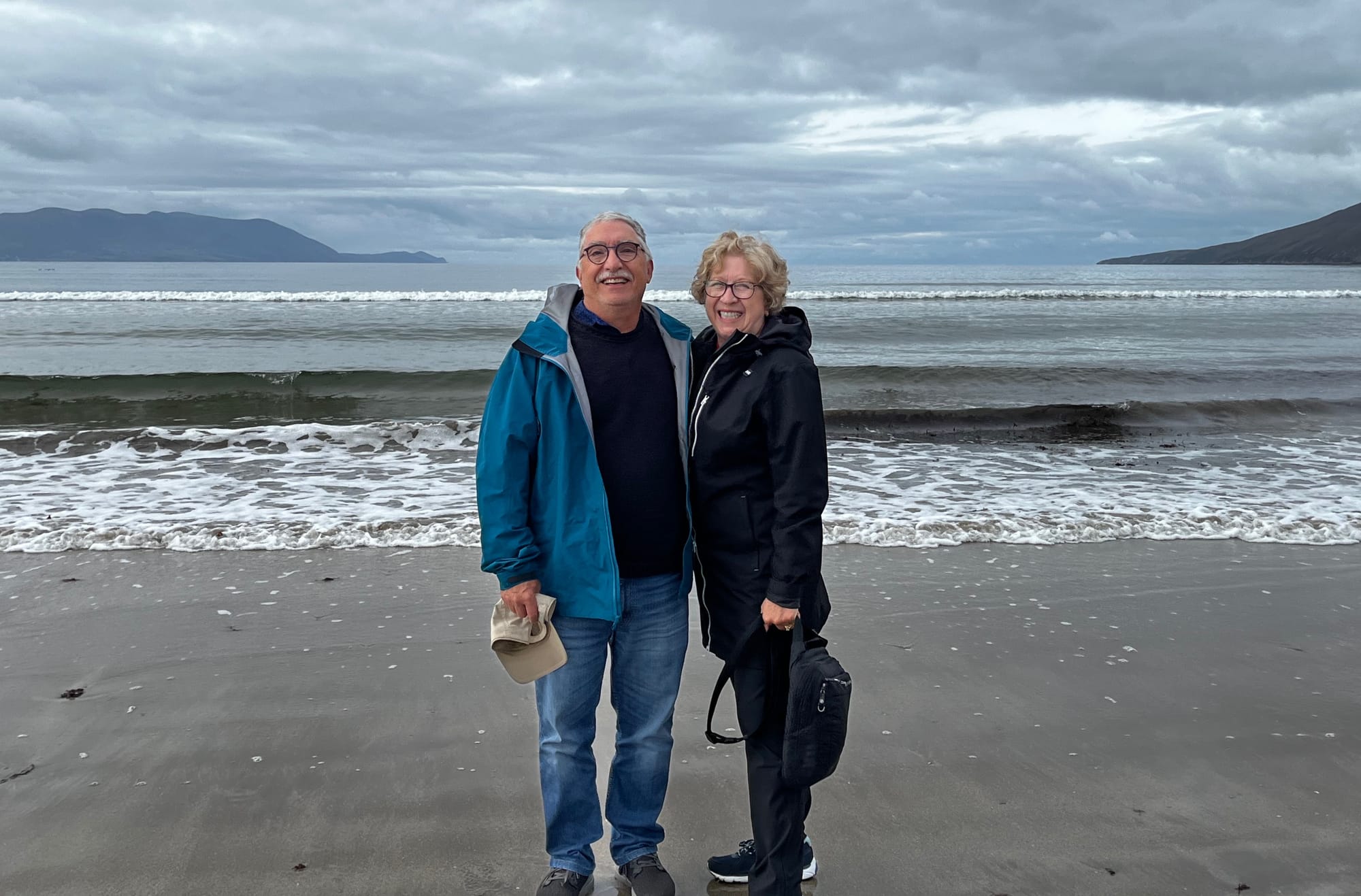
I think I'm pretty good at retiring. Tried it twice, nailed it both times. Being retired, that was harder. Much harder. In 2015 I retired from the practice of law after 34 years. Gave up my license and desk and walked away. 10 months later I was banging at the door, hoping to be let back in. Through good fortune and the cooperation of my former partners we arrived at a part-time arrangement that allowed me to work some and retire some. We had a very enjoyable 10 months of trial retirement, did a lot of things we'd always wanted to do (see photo below). But I wasn't really ready for full time retirement.
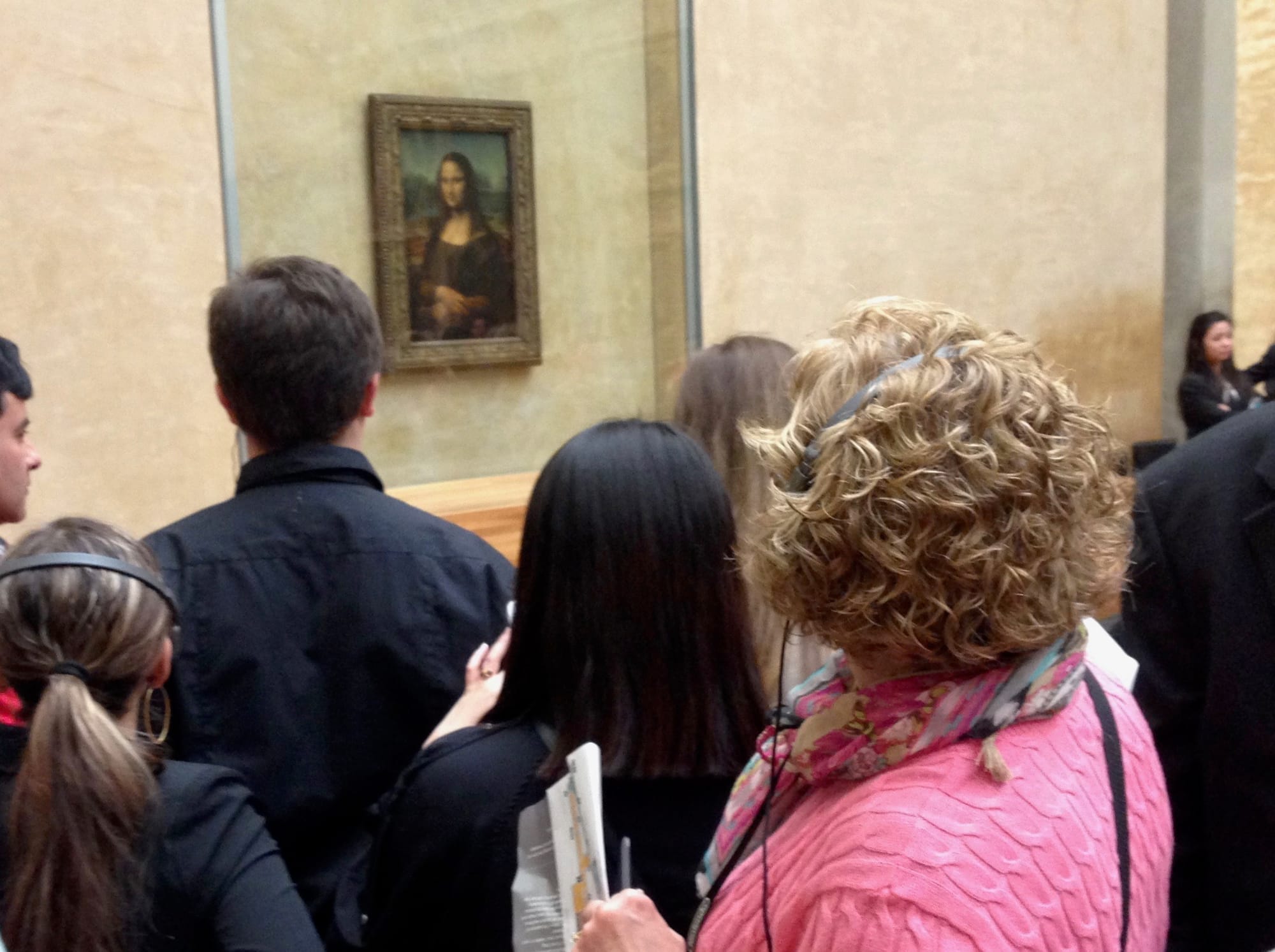
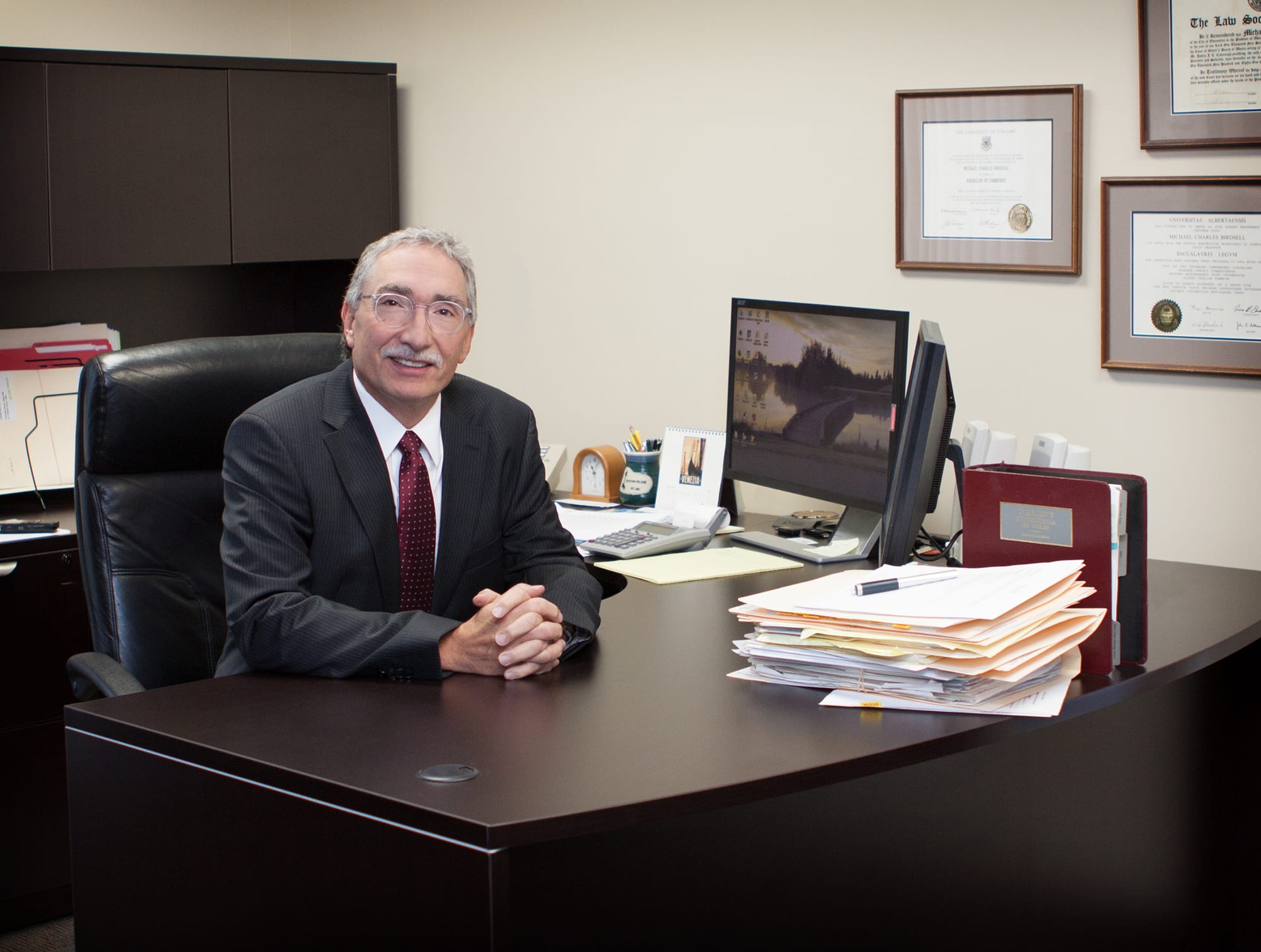
There are few pictures of me actually doing lawyer work: action shots of me sitting at a desk, typing on my computer or talking on the phone - or all 3 at once! - are extremely rare. This photo was taken before my first retirement and before Casual Friday spilled over into the rest of the week.
After 10 years of semi-retirement I was (finally) ready to actually retire, for real. I could leave behind my support group for those who couldn't quite make the jump to full retirement. It was a home for those, like me, who were unsuccessful retirees, keeping one foot in the old world. Some people are better at being retired than others.
During my 10 years of semi-retirement I discovered many important things I didn't know in 2015. Not being what you had always been (in this case, a lawyer) is hard to accept when it has been a part of your identity for so long. "What do you do?" I was asked. Well, nothing ... but I used to be a lawyer. My thoughtful insights into the efficient operation of our household were not as useful as I'd imagined. Best kept to myself. And as Kevin, one of my successfully retired friends pointed out to me a few years ago, you need to get used to the idea that no one is going to give you money ever again, unless it's your own money that you had earned and saved in some fashion. What you have is it. That got my attention. No matter how detailed and sensible your financial plan is, faith is still required to step off the edge and into the unknown. And I learned that playing golf everyday, when it became possible, was less desirable than I had imagined.
This is not a story about the economics of retirement. I have little knowledge or wisdom to help you figure out how much money you need to retire. Find an expert, answer her questions, and you will discover there is no "number" you must reach to retire, an imaginary finish line. Variables like age, health, lifestyle, and where you live and want to live muddy the waters, not to mention your interest in or ability to continue working. You can be fairly certain that your Canada Pension and Old Age Security will not be enough, but beyond that the picture is cloudy.
If you surveyed 50 of your friends, colleagues and relatives, and asked them what they were looking forward to when retired, I suspect the most common answer would be "travel." After that, it might be to live without answering to the clock each day - free to do what strikes your fancy: read, or get in shape, lower your handicap, perfect your woodworking or painting or gardening skills, practice the guitar, pursue your interests, stay in touch with your friends.
These are worthwhile goals, but it is important to note that the reason we haven't travelled as much as we wanted to while working isn't because we are short of time, or even money. It was because travelling is hard, both the planning and the actual travelling, and it is just as expensive after you're retired as it was when you were working, perhaps even more expensive because your standards are a bit higher than they were when you were younger. And, it turns out, we really like being home.
We have youngish friends who are years away from this challenge: they are raising their kids, getting ahead in their jobs or building their businesses. They find my 10-year transition to full retirement to be kind of silly. Work or don't, but spare us the waffling.
We have oldish friends who've already made the transition, and are living their retired lives with no regrets. Grandchildren, hobbies, new pursuits, great new retired lives. We also have contemporaries who fall all across the spectrum, from happily and fully retired to happily and fully employed. And there's a bunch in the middle hedging their bets: a little too young and a bit too much energy to stop working, but wanting some of the retirement lifestyle too. The lucky ones, like me, find a way to work part time, or serve on boards or volunteer their time for causes they believe in. My conclusion is that there is a transition for everyone. Some find it easy, some find it hard and most approach is with some trepidation. There are those whose goal is to work until Friday and die sometime over the weekend. But that's not most of us. After grinding it out for decades, we are hoping for something a bit more rewarding.
It is common wisdom, I think, that it is best to retire TO something rather than FROM something. That is, if you have nothing waiting for you when you retire except long days that you used to spend at work, you will have a much harder time than if you embark on a new journey of one kind or another. Janet believes, rightly I think, that learning a new skill, preferably one that involves creating something, is a very useful way to fight off cognitive decline: meeting new people, thinking new thoughts, learning new skills. And - bonus! - these activities give us less time to think or complain about creaky knees, cranky backs, the performance of our new hips and the urban blight of annoyingly loud cars and motorcycles on our streets.
I will inevitably become more grumpy over time I'm sure, but the more time I have to think about the things that annoy me, the faster that happens. I would like to be more like the Swedish Chef on the Muppets, constantly surprised by the world, bewildered, and less like Statler and Waldorf, the two old guys in the balcony heckling the world as it passes by. Be the Chef - does it matter if people understand what you're saying? Probably not if the meatballs are good.